

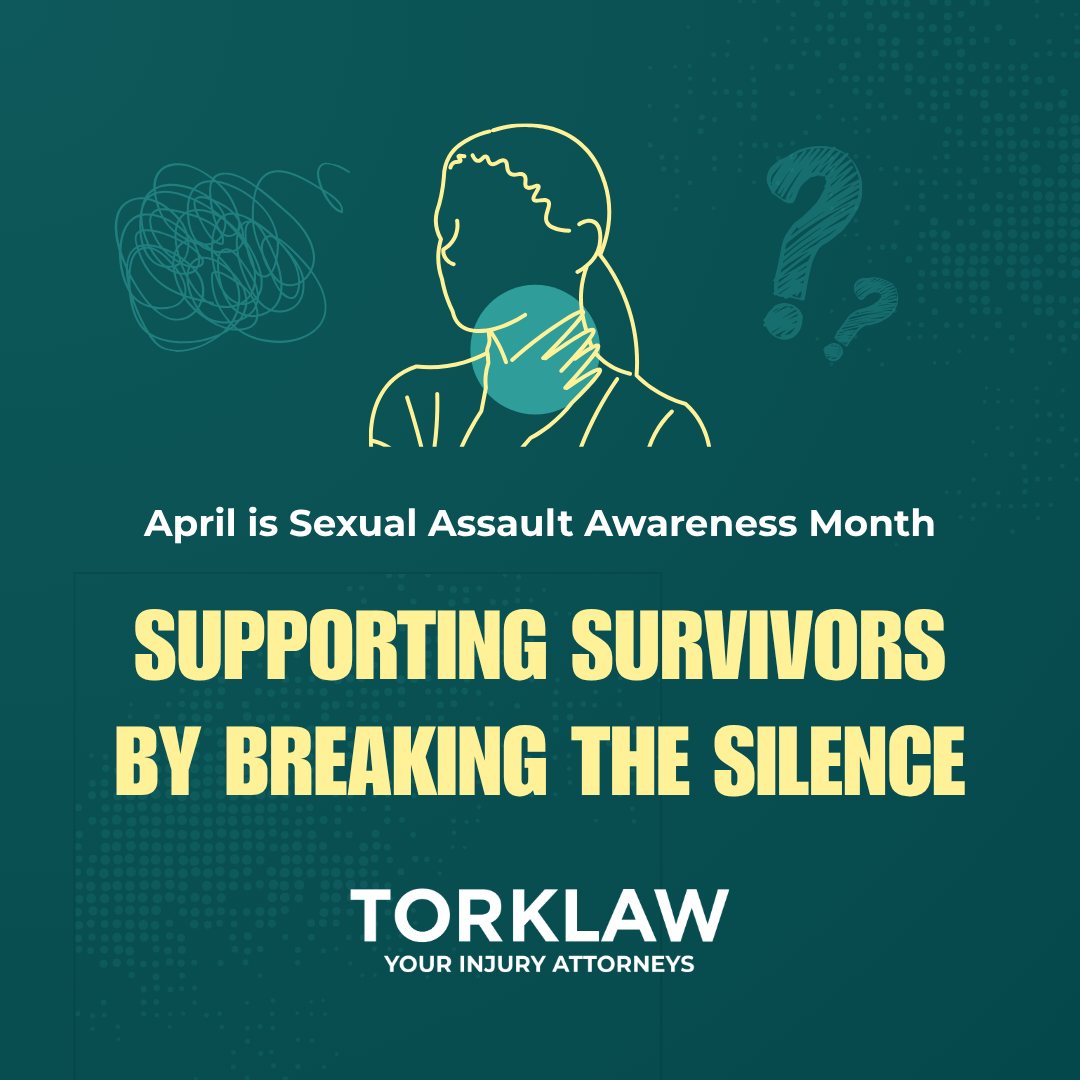
April is Sexual Assault Awareness Month, but the reality extends far beyond a single month of awareness. Sexual assault happens every day, affecting people across all communities and impacting millions in the United States (RAINN).
According to the Rape, Abuse and Incest National Network (RAINN), nearly every minute, someone in the U.S. is sexually assaulted, and every nine minutes, that person is a child. This highlights how constant and widespread this issue is.
These figures are staggering, but they represent more than statistics. They reflect real people, real lives, and experiences that can have lasting and often unseen impacts.
WHAT IS SEXUAL ASSAULT?
Sexual assault is any unwanted sexual contact or behavior that occurs without clear, voluntary, and ongoing consent. It can show up in different ways, from inappropriate touching to unwanted sexual acts, including coercion or exploitation. Consent cannot be assumed, and it cannot be given under pressure, fear, or impairment.
KEY FACTS
What we know
- The majority of perpetrators are known to the victim, often someone trusted (CDC)
- There is no typical survivor. People of all ages, genders, and backgrounds can be affected (NSVRC)
- The impact is not always visible and may include long term emotional, psychological, and physical effects (CDC)
- About 2 out of 3 sexual assaults go unreported (RAINN)
Who is most affected
- About 1 in 5 women in the U.S. have experienced rape or attempted rape (NSVRC)
Nearly 1 in 4 men in the U.S. experience some form of contact sexual violence (NSVRC) - 54% of sexual violence victims in the U.S. are ages 18-34 (RAINN)
- 63,000 children experience confirmed sexual abuse each year (RAINN)
- People with disabilities are disproportionately affected by violent crime, including sexual assault, and are less likely to report it (Bureau of Justice Statistics)
- Older adults can also be affected by sexual abuse, often involving trusted caregivers, and these cases are frequently underreported (RAINN)
Where and how sexual assault happens
Sexual assault can occur in many different settings and often involves people the victim knows or trusts. Some examples include:
- At a workplace, by an employer
- At a medical office, by a medical provider
- In a rideshare, by a driver
- At a school, by a teacher or authority figure
- At a daycare, by a caregiver
- In a nursing home, by a caregiver
- In churches, synagogues, mosques, and temples
Where incidents most commonly occur, based on reported data
While many incidents occur in familiar places, they also happen during everyday routines and activities.
CREATING A SAFE SPACE FOR SURVIVORS
Many survivors never report their experience due to fear, stigma, including concerns about judgment or blame, or worry that they will not be believed. For some, there may be concerns about retaliation, especially when the person responsible is someone they know or trust. Others may worry about how they will be treated, believed, or perceived by institutions, employers, or even their own communities. Feelings of shame, confusion, or self blame can also make it difficult to come forward.
In some cases, survivors may not immediately recognize what happened or may choose to process it privately. Every situation is different, and the decision to come forward is not easy. Personal safety, individual circumstances, past experiences, upbringing, and how someone processes and internalizes their experience are all factors that impact each situation.
Because of this, the impact of sexual assault is not always visible, and many experiences may go unspoken or unnoticed. This is why continued awareness and advocacy are so important.
Creating supportive and compassionate spaces can help people feel more comfortable reaching out when they are ready, and knowing where to turn can make a meaningful difference.
At TORKLAW, we understand the sensitivity and complexity of these cases. Healing looks different for everyone, and having the right support can make a meaningful difference. If sexual assault has impacted the life of you or someone you love, you are not alone. Our team is here to provide compassionate, confidential guidance and help you understand your legal options.
Seeking support is a powerful step forward. You do not have to face this alone.